Dieser Tage feiern gleich zwei nordamerikanische Nationen ihre Souveränität, genau Kanada wurde am ersten Juli 1867 souverän und die USA feierten am vierten Juli 1777 ihre Unabhängigkeit. Grund genug, die beiden Länder mal von der Origami Seite aus zu betrachten.
Beginnen wir mit dem Land, in dem es zwar relativ kalt ist, einem dies aber mit Nordlichtern und Ahornsirup erträglich gemacht wird.
Ein Künstler, um den man nicht herumkommt, wenn es um Origami in Kanada geht, ist
Joseph Wu. Er ist der Mann, der auf Conventions gerne mal sagt: „Nennt mir etwas, das ich falten soll und ich falte es.“ So erstellte er auf dem Origami Deutschland Treffen in Schwäbisch Gmünd zum Beispiel sein eigenes Gesicht.
Gemäß seinem Motto sind auch die Modelle, die er erstellt äußerst kreativ, wie eine
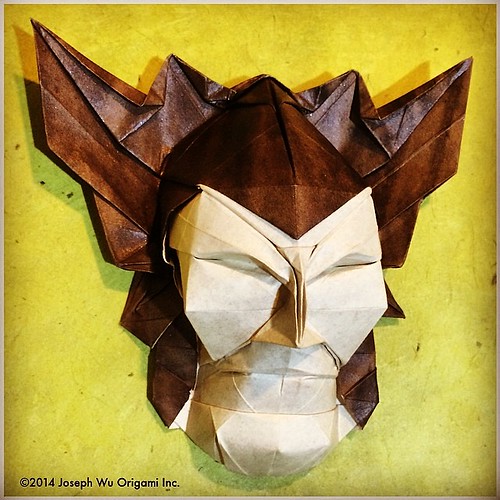
Wolverine Maske, eine wunderschöne
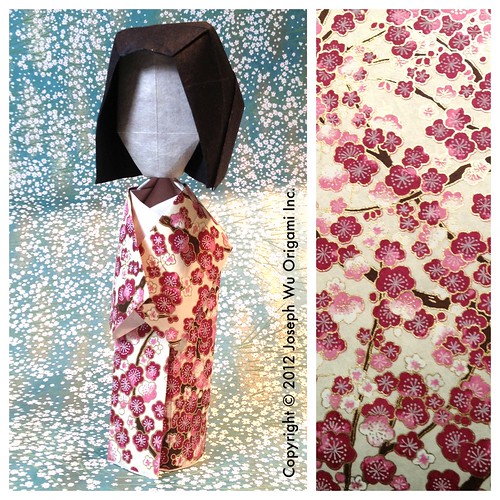
Kokeshi (mein Liebling)oder für seinen Sohn
Figuren aus dem Computerspiel „
Plants vs. Zombies“.
Besonders passend zum Kanada Tag ist sein Trikot der
Vancouver Canucks, seiner Lieblingseishockeymannschaft. Hierfür hat er sogar eine
Videoanleitung erstellt und eine Druckvorlage veröffentlicht. Letztere lässt sich als pdf leider nicht mehr öffnen, doch auf der Seite „
Vancouver is awesome“ gibt es eine JPG, die man dann einfach in ein Textdokument zum Ausdrucken einfügt.
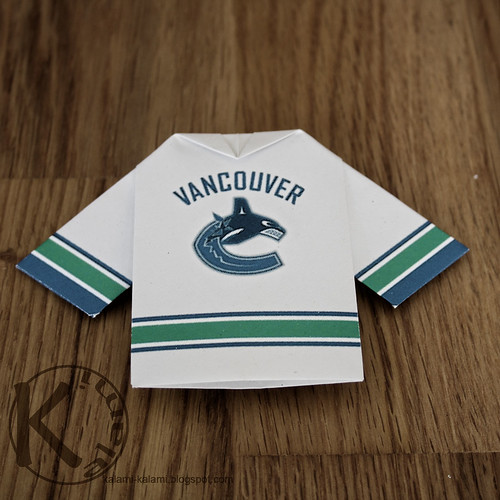 |
| Vancouver Canucks Trikot von Joseph Wu |
Der zweite kanadische Origami Künstler, der mir sofort einfällt, ist
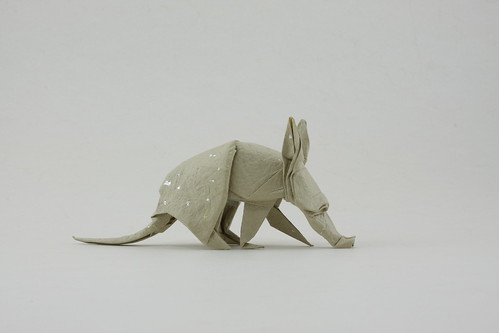
Quentin Trollip (er ist in Südafrika geboren und aufgewachsen und lebt mittlerweile in Kanada). Er designed vor allem Tiere und erreicht dabei nicht nur eine sehr hohe Qualität, sondern auch eine große Auswahl an verschiedenen Arten. So gibt es beispielsweise einen
Ara, einen
Pudu (das ist eines kleinsten Hirscharten der Welt) und, mein absoluter Liebling, da es so charaktervoll gefaltet wurde, ein
Erdferkel.
Am Pudu könnt Ihr Euch auch einmal selbst versuchen, denn Quentin hat dieses Modell freundlicherweise in der kostenfreien Zeitschrift „
4 Esquinas“ in der
6. Ausgabe veröffentlicht.
 |
| Pudu designed by Quentin Trollip |
Solltet Ihr irgendwann einmal in Kanada unterwegs sein und Origami Interessierte suchen, dann findet Ihr einen Überblick der bestehenden Gruppen auf der Seite
Origami USA.
Und das ist dann auch die total zufällige Überleitung zum zweiten nordamerikanischen Land, das dieser Tage seine Gründung feiert, die USA.
Für die USA eine Auswahl an Origami Künstler zu treffen ist enorm schwer, denn es gibt sie hier in einer sehr hohen Anzahl. Hier ist eine kleine Auswahl (ohne Wertigkeit):
Robert Lang,
Eric Gjerde,
Michael LaFosse,
Bernie Peyton,
Beth Johnson,
Brian Chan,
John Montroll und viele mehr.
Daher habe ich beschlossen, für diesen Teil eher auf vier Modelle einzugehen, die in irgendeiner Weise symbolisch für die USA stehen (können).
Den Anfang macht eine amerikanische Persönlichkeit, die weit über die Grenzen hinaus bekannt ist, Abraham Lincoln, der der 16. amerikanische Präsident und Anführer der Nordstaaten im Sezessionskrieg war. Sein Konterfei ziert den fünf Dollar Schein und wurde von
Carlos González Santamaría (aka Halle) als
Origami Maske gekonnte gestaltet. Die Anleitung ist in seinem Buch „
Origami VIP“ zu finden.
Sehr stereotypisch geht es weiter mit einem
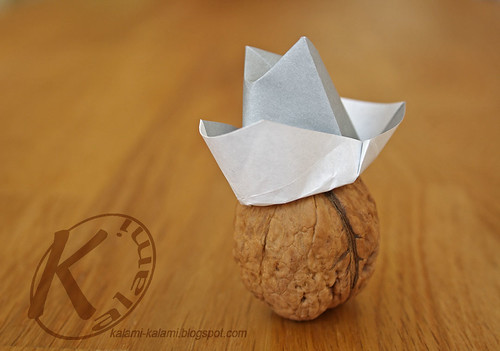
Cowboy Hut, der einst von David Petty diagrammiert wurde.
Von einem Cowboyhut ist es dann auch nicht mehr weit bis zu diesem kleinen Kerlchen, der von Anita Barbour „
Mus musculus, var. Famoso“ genannt wurde. Scrollt mal runter in den englischen Teil, vielleicht erkennt Ihr ihn ja.
Etwas anspruchsvoller und deshalb auch ohne Diagramm ist da die
Flagge der USA, eindrucksvoll aus einem einzigen Blatt Papier gefaltet von Robert Lang. Ihr seid der Meinung, das kriegt Ihr hin? Na OK, Robert Lang war so gut und teilt mit der Internetgemeinde das Crease Pattern. Klickt einfach oben auf den Link zu Flagge und scrollt ein bisschen runter, da findet Ihr den Verweis auf des Crease Pattern.
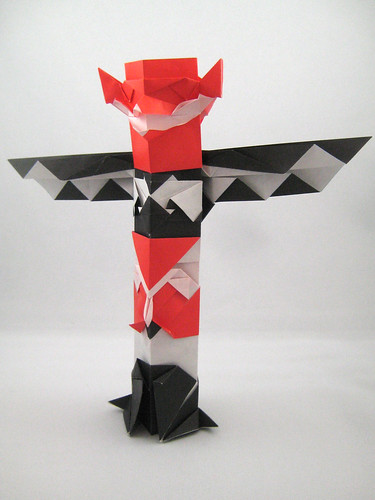
Zu guter Letzt sollte aber auch daran erinnert werden, dass diese Staatswerdungen nicht ohne ihre Schattenseiten vollzogen wurden. Sowohl auf dem Gebiet Kanadas, als auch in den heutigen USA gab es auch schon vor der Besiedlung durch die Europäer Menschen. Die Cherokee, Sioux, Choctaw und Irokesen wurden im Zuge der Eroberung des Kontinents gnadenlos verdrängt und ermordet. Daher soll das letzte Modell an eben diese indigene Bevölkerung erinnern:
These days two North-American Nations are celebrating their independenceCorrect, on July the first Canadians celebrated the Canada Day and on July the fourth the USA celebrates the Independence Day. Reasons enough for me to have a look at the Origami side of those countries.
Let’s start with the state that can be quite cold, but helps us to stand this with the aurora borealis and maple syrup.
One artist, you have to know when you are talking about Origami in Canada is
Joseph Wu. He is the man, who likes to say, “Tell me something you want me to fold and I will do it”, during conventions. As an example he folded his own face at the German meeting in Schwäbisch Gmünd.
According to this motto his models are very creative, like a
Wolverine mask, a beautiful
Kokeshi (my favourite) or the
characters of “
Plants vs. Zombies” he made for his son.
Perfect for the theme Canada Day is his
shirt of the
Vancouver Canucks, his favourite hockey team. He even made a
video instruction for it and a printable template so you can make your own Canucks shirt. Unfortunately the pdf of the template can’t be downloaded anymore, but you can get a jpeg at the site “
Vancouver is awesome”, which you can put into a text file and print.
|
| Vancouver Canucks Shirt by Joseph Wu |
The second Canadian Origami artist that comes to my mind is
Quentin Trollip (he was born and raised in Southafrica and later moved to Canada). Mostly he designs animals which are not only high quality models but also represent a huge variety of different species. For example there is a
Macaw, a
Pudu (the smallest deer on earth) and my most favourite, because the model is shaped so expressively, an
Aardvark.
As the artist was so kind to publish the diagram of the Pudu in the free magazine “
4 Esquinas No.6”, you can try to fold your own little deer.
|
| Pudu designed by Quentin Trollip |
If you are travelling through Canada one day and want to see other Origamists, you can find a list of Canadian Origami Groups at the homepage of
Origami USA.
And this leads us by total coincidence to the second celebrating North-American state, the USA.
For the USA it is very difficult to find one or two special Origami artists, because you find so many of them living there. Here are only some of them (without any ranking):
Robert Lang,
Eric Gjerde,
Michael LaFosse,
Bernie Peyton,
Beth Johnson,
Brian Chan,
John Montroll and many more.
Therefor I’ve decided to show four models in this part that might be seen as a symbol of the USA.
Let’s start with a person that is well known all over the world, Abraham Lincoln, the 16th president and the leader of the Union States during the Civil War. His portrait is on the five Dollar bill and was folded by
Carlos González Santamaría (aka Halle) as an
Origami mask in a quite impressive way. The diagram can be found in his book “
Origami VIP”.
A very stereotypical symbol is this
cowboy hat diagrammed by David Petty. See the photo above in the German part.
And when you’ve already folded the cowboy hat it is only a small step to come to this little fellow called “
Mus musculus, var. Famoso“ by Anita Barbour. Do you recognize him?
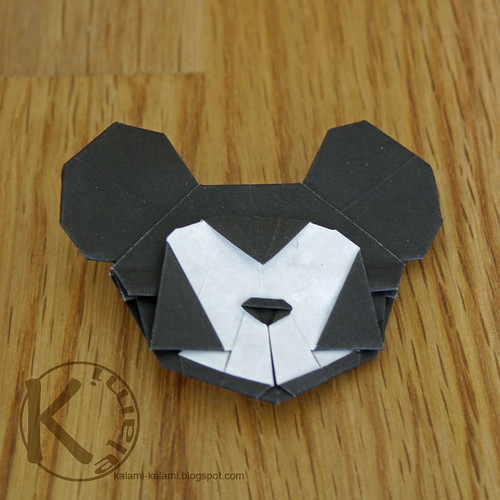 |
| Mouse designed by Anita Barbour |
A bit more challenging and therefor without diagram is this
flag of the USA impressively folded out of a single sheet of paper by Robert Lang.
You think you can do this? Well OK, Robert Lang was so kind to share the crease pattern with the community. Just klick on the link for the flag above and scroll a bit down, there you'll find the reference to the crease pattern.
In the end I also want to state out that the development of those two states had its darker side. As well in the area of Canada as in the United States there were other people living when the Europeans arrived at the new continent. For example the Cherokee, Sioux, Choctaw and Iroquois were suppressed and murdered during the conquest of the land. Therefor the last model shall remember the Native Americans.